

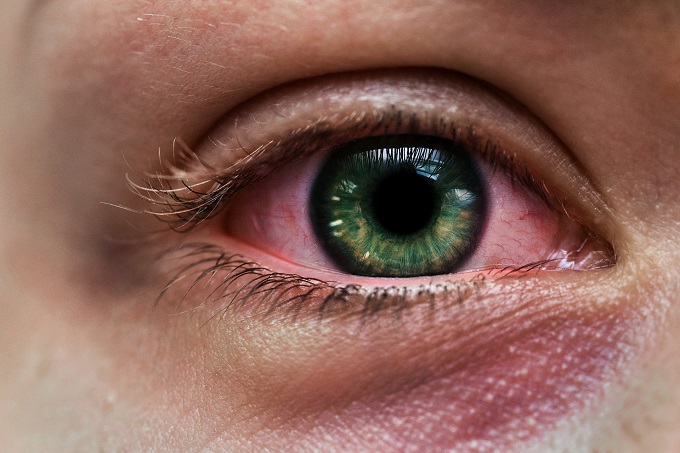
Pink eye, medically called conjunctivitis, is a common eye condition that can affect children and adults. It occurs when the conjunctiva, the thin tissue covering the white part of the eye and the inner surface of the eyelids, becomes irritated or inflamed. Pink eye can result from viruses, bacteria, allergies, or exposure to certain irritants. Some forms can spread easily from person to person, making good hygiene and early recognition important for households, schools, workplaces, and other shared settings.
Recognizing pink eye symptoms can help a person take appropriate steps to care for the affected eye and reduce the chance of spreading an infection. Common symptoms include redness, itching, irritation, excessive tearing, swelling around the eye, and discharge. A person may wake up with crusting around the eyelids, particularly with some forms of bacterial conjunctivitis. Symptoms can vary depending on the cause, so a medical evaluation can help determine the most appropriate care.
- Recognizing Common Pink Eye Symptoms
Eye redness is one of the most recognizable signs of conjunctivitis. The white portion of the eye may appear pink or red as small blood vessels become more noticeable. One or both eyes may be affected. Viral conjunctivitis may begin in one eye and later affect the other, especially if the infection is transferred through touching the eyes.
Itching is often associated with allergy-related conjunctivitis. People may experience watery eyes, sneezing, nasal congestion, or irritation in both eyes. Viral pink eye can produce watery discharge and a gritty sensation. Bacterial conjunctivitis may produce thicker discharge that can cause the eyelids to stick together after sleeping.
Sensitivity to light, blurred vision from discharge, or a sensation of something stuck in the eye can occur with conjunctivitis. Severe eye pain or significant vision changes are less typical of simple pink eye and should receive medical attention.
- Keeping Hands Clean Helps Limit Spread
Hand hygiene is one of the simplest ways to reduce the transmission of infectious pink eye. Wash your hands with soap and water after touching your face, wiping your eyes, applying eye medication, or cleaning discharge. Handwashing should last around 20 seconds, with attention to the palms, backs of the hands, fingers, and the spaces beneath the fingernails.
Alcohol-based hand sanitizer can be useful when soap and water are unavailable. Soap and water are preferred when hands are visibly dirty. People with pink eye should make a conscious effort to keep their hands away from their eyes, since rubbing can increase irritation and transfer germs to surfaces or other people.
Caregivers should wash their hands before and after helping a child with eye discharge or medication. Children may need reminders not to rub their eyes or touch another person’s face.
- Avoid Sharing Personal Items
Personal items that touch the face or eyes can contribute to the spread of infectious conjunctivitis. People with pink eye should avoid sharing towels, washcloths, pillows, eye cosmetics, contact lens supplies, or other items that may come into contact with the eyes.
Wash towels, pillowcases, and washcloths regularly, particularly if they have been used by someone with symptoms. Keep personal hygiene items separate from those used by other household members until symptoms have improved.
Eye makeup should not be shared. Cosmetics used directly around the affected eye may need to be discarded if they become contaminated during an infection. Contact lens wearers should follow guidance from a healthcare professional about stopping lens use and replacing lenses or related supplies when appropriate.
- Keep Surfaces Clean
Frequently touched surfaces can collect germs when someone has an infectious eye condition. Door handles, bathroom fixtures, phones, keyboards, countertops, and other shared objects should be cleaned regularly.
People who live with someone with pink eye can reduce exposure by avoiding unnecessary contact with items that were touched immediately after the affected person rubbed their eyes. Good household cleaning practices can support other hygiene measures.
Avoid using the same washcloth or towel on multiple people. If a child has pink eye, caregivers can provide a separate towel and remind the child to use it consistently.
- Reduce Eye Touching and Rubbing
Rubbing an irritated eye can make symptoms feel worse and may increase the chance of transferring infectious material to the hands. Try to keep your hands away from your eyes, particularly after touching shared surfaces.
A clean, cool compress may provide comfort for irritated or swollen eyes. Use a fresh, clean cloth for each application and avoid sharing compresses between people. Do not place a used cloth back into a shared towel pile without washing it.
If discharge collects around the eyelids, gently clean the area with a clean, damp cloth. Use a fresh section of the cloth for each wipe, and wash it after use.
- Follow Good Contact Lens Practices
Contact lens wearers should take eye redness and irritation seriously. Wearing contact lenses during an eye infection can increase irritation and may contribute to complications. A healthcare professional can advise when it is appropriate to resume lens use.
Never sleep in contact lenses unless they have been prescribed for overnight use. Follow recommended cleaning and replacement schedules for lenses and cases. Do not use another person’s lenses, solution, or case.
People who develop red eyes, pain, light sensitivity, unusual discharge, or vision changes after wearing contact lenses should seek medical evaluation. Certain eye infections can become serious and require treatment.
- Know When Medical Care Is Needed
Many cases of pink eye are mild, yet some symptoms call for professional evaluation. Seek medical care if eye pain is significant, vision becomes noticeably impaired, light causes substantial discomfort, or symptoms become severe or continue to worsen.
. A healthcare provider can assess the symptoms and determine whether they are more consistent with viral, bacterial, allergic, or another type of eye condition.
Antibiotics are not useful for viral or allergy-related conjunctivitis. Treatment depends on the cause. A healthcare professional can recommend appropriate supportive care or medication when needed.
- Protect Children and Household Members
Children can spread pink eye easily because they frequently touch their eyes and then touch toys, furniture, school supplies, and other objects. Teach children to wash their hands frequently and avoid rubbing their eyes. Give them their own towel and washcloth during an infectious illness.
Parents and caregivers should clean commonly touched surfaces and wash bedding and towels regularly. If a child has symptoms, ask a healthcare professional about school, daycare, or activity restrictions based on the suspected cause and local policies.
Adults should follow similar precautions at home and work. Avoid close face-to-face contact when symptoms are active, and do not share personal items that come into contact with the eyes or face.
- Get Convenient Medical Guidance
If you or a family member develops symptoms that may indicate pink eye, professional guidance can help identify the likely cause and appropriate next steps. Our clinic provides telehealth, on-site primary care, virtual visits, and home care visits to help patients access healthcare conveniently.
A virtual visit may be suitable for discussing eye redness, discharge, itching, irritation, and other symptoms. A healthcare professional can review the symptoms and determine whether additional evaluation is needed. For situations that require an in-person assessment, an on-site or home visit may provide another option based on clinical needs and availability.
Contact Nully Medical LLC if you have concerns about pink eye symptoms or need guidance for yourself or a family member. Seeking care can help you understand your symptoms and take appropriate steps to protect those around you.
Pay attention to changes in symptoms and seek medical guidance if discomfort becomes severe, vision changes occur, or the condition does not improve. Early professional evaluation can help identify the likely cause and guide appropriate care.
Disclaimer
Blogs, content and other media uploaded online are for informational purposes only. Contents on this website should not be considered medical advice. Readers are strongly encouraged to visit their physician for health-related issues.
Leave a Reply