

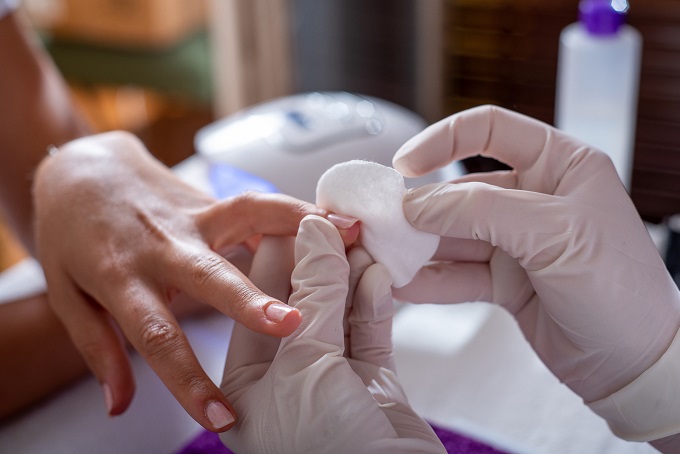
Splinters are common minor injuries that can happen during household chores, outdoor activities, construction projects, gardening, or contact with wooden objects. A small fragment of wood, glass, metal, plastic, or a thorn can penetrate the skin and cause localized pain or irritation. Many superficial splinters can be removed at home with clean tools and a gentle technique. Deeper fragments or injuries in sensitive areas may require medical attention to reduce the risk of tissue damage and infection.
Safe splinter care begins with assessing the injury before attempting removal. Look at the size, material, depth, and location of the fragment. A splinter with one end clearly visible may be easier to remove than one buried beneath the skin. Pain, bleeding, swelling, or difficulty moving the affected area may indicate that the injury requires closer attention. Knowing when home removal is reasonable and when medical care is the safer choice can help protect the skin and support proper healing.
- Clean Hands and Tools Help Reduce Infection Risk
Wash your hands thoroughly with soap and water before touching the injured area. Gently clean the skin around the splinter to remove dirt and other contaminants. Pat the area dry using a clean towel or gauze. Bright lighting can help you see the fragment’s direction and depth before attempting to remove it.
Fine-tipped tweezers are often suitable if part of the splinter extends above the skin. Clean the tweezers with rubbing alcohol and allow them to dry before use. Avoid reaching for household items that have not been cleaned, since introducing bacteria into a puncture wound can increase the chance of infection.
Repeated squeezing should be avoided. Pressing firmly around the splinter can push it deeper into the tissue or cause a fragile fragment to break. This is particularly relevant with wood, which may split into smaller pieces. Careful preparation creates a cleaner setting for removal and reduces unnecessary irritation to the surrounding skin.
- Gentle Removal Helps Limit Skin Damage
Study the direction in which the splinter entered before pulling it out. Grasp the exposed end with clean tweezers as close to the skin as possible. Slowly pull the splinter out at the same angle it entered. Pulling in a different direction can cause the fragment to break or create more irritation around the wound.
Avoid digging deeply into the skin with tweezers or other sharp objects. If the fragment cannot be reached easily, repeated attempts can turn a tiny puncture into a larger wound. Stop if removal becomes painful, causes significant bleeding, or requires digging beneath the surface.
Check the removed fragment when possible to see whether it appears intact. If part of it seems to have broken off beneath the skin, avoid repeatedly opening the wound to search for the remaining piece. A healthcare professional can assess whether further removal is needed and determine an appropriate approach.
- Proper Aftercare Supports Skin Healing
Once the splinter has been removed, wash the affected area again with soap and clean water. Pat it dry rather than rubbing the skin. A clean bandage may be placed over the area if the wound could come into contact with dirt or experience friction from clothing, footwear, or daily activities.
Keep the wound clean during the healing period. Replace a bandage if it becomes wet, dirty, or loose. Avoid picking at the area, since reopening the skin can delay healing and create another opportunity for bacteria to enter.
Mild tenderness shortly after removal may occur, particularly if the splinter was firmly lodged in the skin. The discomfort should begin to improve rather than worsen. Changes in the wound over the next several days can provide useful clues about whether healing is proceeding normally.
- Recognizing Infection Signs Encourages Earlier Care
A puncture caused by a splinter creates an opening through which bacteria can enter. Pay attention to redness, swelling, increasing tenderness, warmth, drainage, or pus around the injured area. Redness that begins spreading away from the wound deserves medical attention.
Fever, chills, increasing pain, or feeling unwell can signal a more concerning infection. A wound that initially seems to improve but later becomes painful or swollen should be evaluated, particularly if a piece of the splinter may still be beneath the skin.
Certain people may need earlier medical guidance after skin injuries, including those with health conditions that can interfere with wound healing or the body’s ability to fight infection. A clinician can evaluate personal health factors, as well as the depth and condition of the wound.
- Knowing When a Splinter Is Too Deep for Home Removal
A splinter that sits near the surface and has an exposed end may be manageable at home. A fragment buried completely beneath the skin is different. Attempting to reach it through repeated digging can damage nearby tissue and increase pain.
Deep splinters can be difficult to judge from the appearance of the skin alone. A tiny puncture on the surface does not always indicate how far an object traveled beneath it. This can be particularly relevant with glass, metal, or larger pieces of wood.
Seek medical care if the splinter is deeply embedded, large, extremely painful, or difficult to grasp. Professional evaluation is appropriate if a removal attempt fails or the splinter breaks beneath the skin. A clinician can examine the injury and decide whether further procedures or imaging may be needed.
- Sensitive Locations May Require Medical Attention
The location of a splinter can affect whether home removal is appropriate. Fragments close to the eye should receive medical attention rather than home treatment. Trying to remove an object from the eye or nearby tissue can result in serious injury.
Splinters beneath fingernails or toenails can be painful and difficult to reach. Objects near joints, nerves, or other sensitive structures can present similar concerns. Medical evaluation may be appropriate if there is numbness, severe pain, limited movement, or a sensation that the object extends deeply into the tissue.
Parents and caregivers should use similar judgment with children. A frightened or uncomfortable child may move suddenly during an attempted removal. .
- Dirty Wounds May Raise Tetanus Concerns
Some splinter injuries are caused by objects exposed to soil, dirt, or other contaminants. These wounds may raise questions about tetanus protection. Tetanus is a serious illness caused by bacteria that can enter the body through broken skin, including puncture wounds.
A healthcare provider can review the type of wound and the person’s vaccination history to determine whether a tetanus booster or other care is needed. People who are uncertain about their vaccination status should discuss the injury with a qualified healthcare professional rather than guessing about their level of protection.
Cleaning the wound remains an important part of initial care, but cleaning alone does not replace appropriate vaccination guidance. Medical advice can help clarify the next steps after a contaminated puncture injury.
- Warning Signs That Call for Medical Help
Seek medical attention for a splinter that is deeply embedded, cannot be removed easily, or has broken beneath the skin. Increasing redness, swelling, warmth, pus, worsening pain, or fever should prompt medical evaluation. Significant bleeding, numbness, loss of normal movement, or a suspected injury to the eye needs timely care.
A healthcare professional can assess whether foreign material remains inside the wound and determine whether further treatment is needed. Medical evaluation can be particularly useful after an injury involving glass, metal, contaminated material, or an object that has entered deeply.
If you or a family member has a splinter or a minor wound that needs professional attention, contact Nully Medical LLC to discuss available telehealth, primary care, on-site, or home-visit services. Getting the right level of care can help protect the affected area and address warning signs before the problem becomes more serious.
Disclaimer
Blogs, content and other media uploaded online are for informational purposes only. Contents on this website should not be considered medical advice. Readers are strongly encouraged to visit their physician for health-related issues.
Leave a Reply